
This page is still being written. It will be finished in the next few days.
This page is still being written. It will be finished in the next few days.
Best viewed on a wide computer screen
Book 20 of The Odyssey might be described as the calm before the gathering storm. The gods are prayed to and portents appear to foreshadow the violence to come.
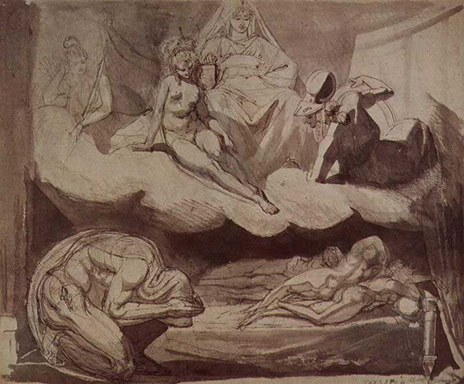
Odysseus makes his bed in the entrance hall and lies awake plotting his revenge as the maids slip away to visit their suitor lovers. He is tempted to kill them immediately, but he knows that restraint is required for his plan to succeed. As he lies awake Athena comes to him. He tells her the thoughts of revenge and possible retribution against him running through his head. Athena chastises him for not having faith in his own abilities and hers. She reassures him he will not fail and then sends him to sleep.
At that moment Penelope awakes. She begins crying due to her stress. She prays to Artemis to take her life. She expresses her fear of having to remarry and she says that she finds no relief from her torment, even in sleep.
When dawn breaks Odysseus awakes and hears Penelope crying. He gathers up his bedding and then prays to Zeus, asking for signs: one being an expression from someone in the house that augers well; a second appearing outside from Zeus. Immediately Zeus sends a single roll of thunder from a cloudless sky, and a woman grinding grain in the house says a lucky word. She has heard the thunder and takes it as an omen, too, and prays that this new day will be the last day of the suitors in the house.
Telemachus awakes and asks Eurycleia how Odysseus has been treated. Eurycleia assures him that Penelope did all she could to make him welcome and comfortable, but Odysseus chose to sleep rough in the hall. Telemachus leaves to go to the meeting grounds and Eurycleia gives orders to her maids to clean everything thoroughly. Her orders are carried out while the serving men split wood. Eumaeus arrives with three more pigs for the next feast. He asks Odysseus if he has been shown respect by the suitors.
At that moment Melanthius, a goatherd, begins to abuse Odysseus. He says Odysseus should leave and threatens him with violence. Odysseus doesn’t respond. Next, Philoethius, the cowherd, speaks, but he is respectful. He asks Eumaeus about Odysseus background and greets Odysseus warmly. He says that seeing Odysseus (disguised as a beggar) reminded him of his master, Odysseus, and that he cried in remembrance of him. He expresses disapproval of the suitors. He is torn between his desire to leave and his desire to remain and await the return of Odysseus. Odysseus assures Philoethius that his master will return. Philoethius indicates he would fight on Odysseus’ side if he returned.
An eagle clutching a dove suddenly flies past. It is seen as an omen. Amphinomus interprets it as an indication that they will fail to kill Temelmachus, so they may as well just enjoy their feasting. So, the feast is prepared. Telemachus sits with Odysseus and makes sure he is given a proper share. And he upbraids the suitors, warning them not to be disrespectful. The suitors are surprised by Telemachus’ assertiveness. Eupithes mockingly says they should obey Telemachus.
Sacrificial animals are led through the streets for Apollo’s festal day while inside the animals are slaughtered and cooked. The feast is served out and Odysseus receives a fair share. But Athena, who wishes to keep Odysseus keen for revenge, is not pleased by this. So, it seems implied that Ctesippus’ action is influenced by her. He mocks Odysseus by saying that as a guest of Telemachus he should also receive a gift. He then picks up an ox hoof and throws it at Odysseus, who ducks to avoid being hit in the head. Telemachus says Ctesippus is lucky to have missed or he would have been killed with a spear. He tells the suitors not to commit any more offences since he is no longer a boy. Even though they could collectively kill him, he would rather that than put up with any more of their behaviour.
Agelaus stands to speak. He agrees that Telemachus and his household should be treated with respect. But he then focuses on the question of Penelope. He says that it is clear Odysseus will not return and that Penelope should be made to choose a husband and remarry so that Telemachus can take proper control of his father’s estate. Telemachus says he agrees, but adds that he will not force his mother to make a choice against her will. At this solemn moment Athena makes the suitors burst into uncontrollable laughter. Theoclymenus, the seer, however, sees a terrible vision of death and destruction. But his distress only makes the suitors laugh all the harder. Eurymachus makes fun of Theoclymenus, saying he needs to be taken outside to give him light, to relieve him of the darkness he experiences inside the house. Theoclymenus responds by making his vision more specific: saying that the suitors all face a terrible disaster; that none will escape their fate. Theoclymenus than leaves to walk to the home of Piraeus. The suitors turn back to Telemachus and mockingly suggest he is unlucky in his guests. They suggest he gets rid of his friends.
Telemachus does not respond. His attention is on Odysseus, waiting for a signal when to act.
Meanwhile, Penelope has placed her chair outside the hall so she can comfortably listen to all that is said. The narrative concludes with an ominous foreshadowing of the suitors’ deaths, described as a “groaning feast”.
Text
Text
Text