- Category:Crime Fiction
- Date Read:10 February 2026
- Published:1953
- Pages:249


Miss Marple Series #7
- Category:Crime Fiction
- Date Read:10 February 2026
- Published:1953
- Pages:249

A Pocket Full of Rye is another outing for Miss Marple, set mainly at the home of the Fortesque family, in a wealthy suburb just outside London.
The story opens with the family patriarch, Rex Fortesque, dropping dead in his office, after drinking a cup of tea. Mysteriously, he had a bag of rye in his pocket. The apparent cause of death is a slow acting poison, so police shift their main inquiries to his home and family. His young, glamourous and bored new wife is their main suspect, until she too is murdered, in the library, while eating a scone with honey. Soon after that the parlourmaid, Gladys, is found dead, at the clothesline, with a peg on her nose.
The police are confused by the bizarre circumstances, so Inspector Neale is hopeful that a new arrival at the house can help him with insider information – Miss Jane Marple. Neale has heard of Miss Marple’s reputation from Sir Henry Clithering (the former head of Scotland Yard who appears in several earlier Miss Marple books) and thinks she might be in a better position than he is to find out what secrets the family is hiding in their closets. Miss Marple has turned up because Gladys was once her maid. She knows Gladys has no family and no one else to care about what happened to her and she is especially upset at the attitude shown by the murderer in adding the peg to Gladys’ nose, just to fit the nursery rhyme, ‘Sing a Song of Sixpence’, from which the title of this book comes:
The maid was in the garden, hanging out the clothes,
When down came a blackbird and pecked off her nose.
That’s the first thing she does to help Neale: she draws his attention to how well the deaths match the nursery rhyme and suggests he start looking for blackbirds. Blackbirds then start turning up, from dead blackbirds left on a desk, dead blackbirds added to a pie and finally, the Blackbird Mine, an old, worthless investment Rex made many years ago.
This is another one of the Miss Marple mysteries that is very Marple-light. We’re actually a fair way into the story before she appears, and after that, she only appears in cameos until near the end. Most of the story very much follows the police investigation, with Miss Marple popping up occasionally to share an insight or an interesting nugget of gossip. Still, she is made good use of in every appearance, in which each of her conversations are pointed, even if you don’t realise exactly what she is aiming for at first.
For all the brevity of her appearances, the murders would not be solved without Miss Marple and her knowledge of Gladys. Not her usual ‘she reminds me of the young lady at the butcher shop who always . . .’ kind of knowledge, but her actual knowledge of Gladys as a person; something no one else investigating the murders had. One thing you get from her brief appearances is her anger at how contemptuously Gladys was treated by the murderer. This is especially apparent when she knows who it was and why it was done. She was angry enough at the thought that the murderer was just using the peg to emphasise the link to the nursery rhyme, she is angrier when she realises how the murderer cold-heartedly used Gladys before discarding her. Miss Marple is quite clear – she is here for Gladys, even if no one else is.
Suspects are thick on the ground. Most of the Fortesque family live in the family home. Apart from Rex and his new wife, Adele, the house contains Percival Fortesque, Rex’s eldest son, and his wife Jennifer, Elaine Fortesque, Rex’s daughter, Effie Ramsbottom (Rex’s first wife’s sister), Mary Dove, their housekeeper, Ellen, the housemaid and Mr and Mrs Crump, the butler and cook. Launcelot Fortesque, the younger son, and his wife Patricia, Gerald Wright, Elaine’s fiancé, and Vivian Dubois, Adele’s lover, all turn up after the first murder and lurk in the wings. Christie usually has a few sympathetic characters in her cast, so it is surprising to find this time that most of the characters are unappealing. None of them really seem to care about anyone but themself and their only common link is money. About the only characters I ended up caring in any way for are Lance and Pat who only arrive back in England after the first murder. Lance gets some good scenes where he provokes the extremely stuffy Percival. You would think Percival would learn after their first encounter, but he makes himself an easy target again and again.
All of the characters, except maybe the housemaid, have a motive for wanting either Rex or Adele dead. There’s money of course, either as inheritance or through a position in the family firm, there’s romance and jealousies, there are forged cheques and other dodgy financial dealings, there’s the surviving family of an old business partner who may have been killed by Rex, there are thefts and there is blackmail. As often happens in Christie mysteries, these other crimes and misdemeanours are uncovered at regular intervals and are generally ignored afterwards.
Even if there weren’t all these plot points acting as red herrings, the actual murder scheme is quite a complex one. The murderer had a lot of strands that he needed to weave into a perfect French braid for his scheme to work. It was a convoluted plan, at any point it could have gone wrong, and yet, it all worked out. That is, until Miss Marple arrived and gradually starting pulling out all the extraneous plots and untangling the murderer’s careful plans.
There is a very weird ending to this one. There is no confrontation with the murderer or any grand reveal. Miss Marple simply tells Neale what she thinks happened and suggests possible checks he could make. She just talks to the detective then returns to her home. Of course, there’s a letter waiting for her from Gladys that reveals she was correct in all of her suppositions and she even supplies a solid piece of evidence.
Overall, this is a solid Christie mystery. It’s not as flashy as some, the setting isn’t as exotic as some, but it has a good plot with an ingenious twist. I would recommend it to anyone who enjoys ingenious plots that probably leave you baffled until Miss Marple explains it all away.
Eight Illustrations from Randolph Caldecott’s Sing a Song of Sixpence, 1880
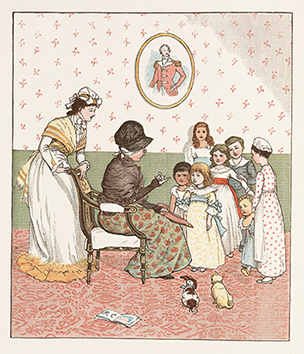 Plate 1
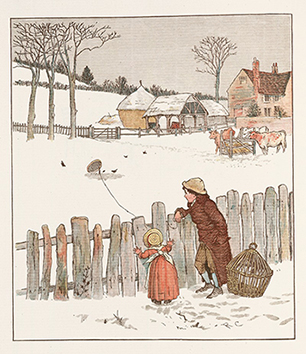 Plate 2
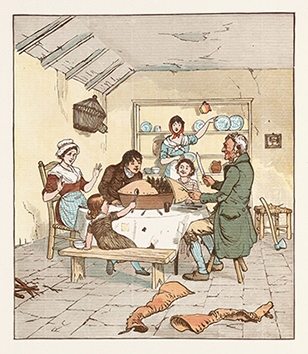 Plate 3 - ‘Four and twenty blackbirds Baked in a pie.’
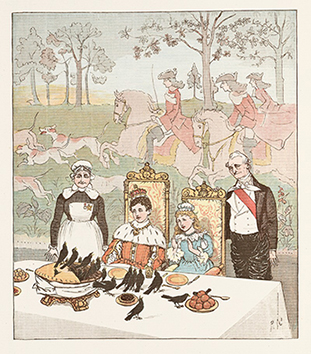 Plate 4 - ‘When the pie was opened, the birds began to sing.’
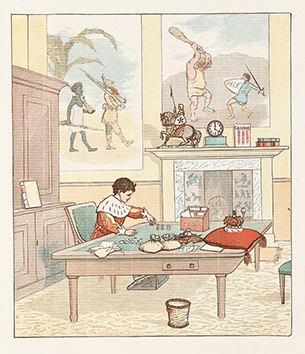 Plate 5 - ‘The king was in his counting house, counting out his money.’
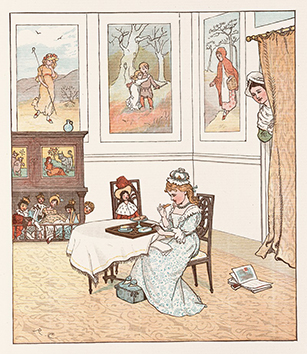 Plate 6 - ‘The queen was in the parlour, eating bread and honey.’
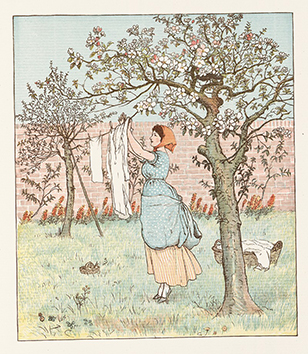 Plate 7 - ‘The maid was in the garden, hanging out the clothes’
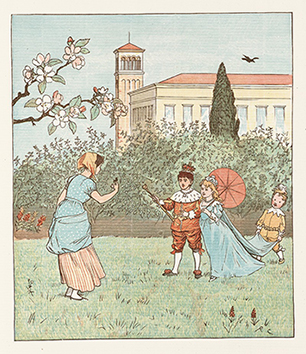 Plate 8
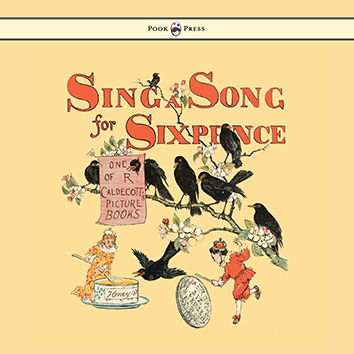
Randolph Caldecott’s illustrated edition of the nursery rhyme, ‘Sing a Song for Sixpence’, was originally published in 1880 as part of his Picture Books series. The book featured 38 illustrations. Eight are reproduced above.
The method of the murderer in A Pocket Full of Rye is reminiscent of Christie’s most successful novel, And Then There Were None, published in 1939, in which the killer orchestrates his murders according to a traditional poem by Frank Green and modified by Christie to match the deaths in the rhyme to the specific deaths in the novel.

In A Pocket Full of Rye the murderer uses the traditional rhyme, ‘Sing a Song of Sixpence’ to distract from the real motives for the murders and to generally cause confusion. The rhyme is reproduced below, along with the cover of Randolph Caldicott’s illustrated edition, published in 1880. Eight of the original illustrations from the book are also shown at the bottom of the review.
- Sing a song of sixpence, a pocketful of rye.
- Four and twenty blackbirds Baked in a pie.
- When the pie was opened, the birds began to sing.
- Wasn’t that a dainty dish to set before the king?
- The king was in his counting house, counting out his money.
- The queen was in the parlour, eating bread and honey.
- The maid was in the garden, hanging out the clothes,
- When down came a blackbird and pecked off her nose.
Television Adaptations
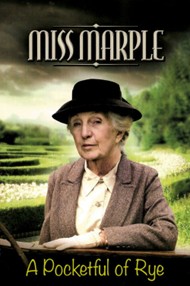
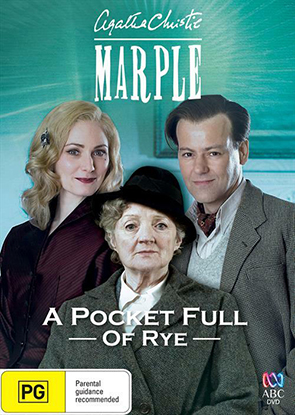
A Pocket Full of Rye was adapted for both the BBC series Agatha Christie’s Miss Marple and the ITV series Agatha Christie’s Marple.